



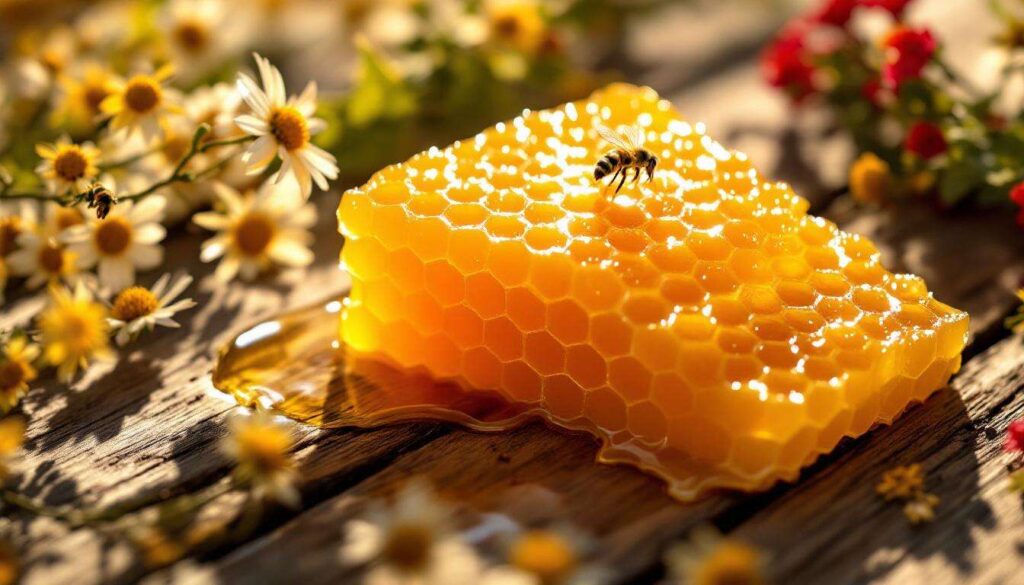
Most people recognize honey as a sweet natural treat, but few realize that the wax structure housing it offers remarkable health benefits. Honeycomb, the hexagonal wax framework created by bees to store honey and pollen, contains bioactive compounds that research suggests can support both liver function and cardiovascular health. Despite its therapeutic potential, honeycomb remains largely absent from modern diets, overshadowed by processed foods and conventional supplements. Understanding what makes this ancient food source valuable could reshape how we approach organ protection and disease prevention.
Introduction to liver and heart wellness
The critical role of liver function
The liver performs over 500 essential functions in the human body, making it one of the most hardworking organs. It filters toxins from the bloodstream, metabolizes medications, produces bile for digestion, and stores vital nutrients. When liver function declines, the consequences ripple throughout the entire system, affecting energy levels, immune response, and metabolic efficiency. Chronic liver disease now affects approximately one in four adults globally, driven by factors including poor diet, alcohol consumption, and environmental toxins.
Cardiovascular health as a foundation
The heart and circulatory system face constant challenges from inflammation, oxidative stress, and lipid imbalances. Cardiovascular disease remains the leading cause of death worldwide, accounting for nearly 18 million deaths annually. Protecting heart health requires addressing multiple risk factors:
- Reducing chronic inflammation in arterial walls
- Managing cholesterol levels and lipid profiles
- Controlling oxidative damage to cardiac tissue
- Maintaining healthy blood pressure ranges
- Supporting proper circulation and vascular flexibility
Traditional approaches focus on pharmaceutical interventions, yet mounting evidence suggests that functional foods containing specific bioactive compounds can provide meaningful protection for both organs. This understanding leads naturally to examining overlooked natural substances with documented therapeutic properties.
The little-known virtues of honeycomb
What honeycomb actually contains
Honeycomb consists primarily of beeswax, a natural substance secreted by worker bees and molded into precise hexagonal cells. Unlike processed honey sold in bottles, raw honeycomb preserves the complete nutritional matrix including pollen, propolis, and royal jelly residues. These components work synergistically, creating a more potent therapeutic effect than isolated honey alone. The wax itself contains long-chain fatty alcohols, esters, and hydrocarbons that demonstrate biological activity in human metabolism.
Historical use across cultures
Ancient civilizations recognized honeycomb’s medicinal value long before modern science could explain its mechanisms. Egyptian medical papyri describe honeycomb applications for wound healing and digestive complaints. Traditional Chinese medicine incorporated honeycomb into formulations addressing liver stagnation and cardiovascular weakness. Greek physicians, including Hippocrates, recommended honeycomb for respiratory conditions and general vitality. This cross-cultural validation suggests genuine therapeutic properties rather than mere folklore.
| Culture | Traditional Use | Target Condition |
|---|---|---|
| Ancient Egypt | Topical application | Wound healing, infections |
| Traditional Chinese Medicine | Internal consumption | Liver support, blood circulation |
| Greek Medicine | Chewing and ingestion | Respiratory health, energy |
| Ayurvedic Practice | Mixed preparations | Digestive balance, detoxification |
Modern research has begun validating these traditional applications, revealing specific mechanisms through which honeycomb components interact with human physiology.
Unique composition of honeycomb
Beeswax and long-chain alcohols
The primary component of honeycomb, beeswax, contains policosanol, a mixture of long-chain aliphatic alcohols. These compounds have demonstrated the ability to modulate lipid metabolism and reduce LDL cholesterol oxidation. Studies indicate that policosanol concentrations in beeswax range from 12% to 15%, providing therapeutic doses even in small amounts of honeycomb consumption. The specific alcohols include octacosanol, triacontanol, and hexacosanol, each contributing distinct metabolic effects.
Antioxidant compounds
Honeycomb contains multiple classes of antioxidants that protect cellular structures from free radical damage:
- Flavonoids from pollen residues that reduce inflammation
- Phenolic acids that neutralize reactive oxygen species
- Enzyme cofactors supporting endogenous antioxidant production
- Carotenoids contributing to cellular membrane stability
These antioxidants work through complementary pathways, providing broader protection than single-compound supplements. The wax matrix also appears to enhance bioavailability, allowing better absorption compared to isolated extracts.
Antimicrobial and anti-inflammatory agents
Propolis residues embedded in honeycomb contribute powerful antimicrobial properties. This resinous substance contains over 300 identified compounds, including caffeic acid phenethyl ester (CAPE), which demonstrates significant anti-inflammatory activity. Research shows that CAPE inhibits NF-κB activation, a key pathway in chronic inflammation affecting both liver and cardiovascular tissues. The combination of antimicrobial and anti-inflammatory effects creates a protective environment for organ function.
Understanding these specific components provides the foundation for examining how they translate into measurable cardiovascular benefits.
Cardiovascular benefits of honeycomb
Cholesterol management
Clinical studies on policosanol extracted from beeswax demonstrate significant improvements in lipid profiles. Research participants consuming policosanol showed reductions in total cholesterol ranging from 13% to 20%, with LDL cholesterol decreasing by 21% to 29%. Equally important, HDL cholesterol increased by 8% to 15%, improving the overall cholesterol ratio. These changes occurred without the muscle pain and liver enzyme elevations sometimes associated with statin medications.
| Lipid Marker | Average Change | Duration |
|---|---|---|
| Total Cholesterol | -17% reduction | 8 weeks |
| LDL Cholesterol | -25% reduction | 8 weeks |
| HDL Cholesterol | +12% increase | 8 weeks |
| Triglycerides | -14% reduction | 8 weeks |
Platelet aggregation and blood flow
Honeycomb components influence platelet behavior, reducing excessive aggregation that contributes to thrombosis and arterial blockages. The long-chain alcohols in beeswax modulate thromboxane production, decreasing platelet stickiness without causing bleeding risks. This balanced anticoagulant effect supports healthy circulation while maintaining normal clotting capacity. Improved blood flow delivers more oxygen and nutrients to cardiac tissue, enhancing overall heart function.
Arterial health and inflammation reduction
Chronic inflammation in arterial walls drives atherosclerotic plaque formation and cardiovascular disease progression. The anti-inflammatory compounds in honeycomb, particularly CAPE from propolis residues, reduce inflammatory markers including C-reactive protein and interleukin-6. Lower inflammation levels correlate with decreased plaque instability and reduced risk of cardiac events. The antioxidants simultaneously protect arterial endothelium from oxidative damage, preserving vascular flexibility and function.
These cardiovascular protective mechanisms complement equally important effects on liver health and detoxification capacity.
Impact on liver health
Hepatoprotective properties
The liver faces constant exposure to toxins, medications, and metabolic byproducts requiring neutralization and elimination. Honeycomb compounds demonstrate direct hepatoprotective effects in both animal and human studies. The antioxidants reduce oxidative stress in hepatocytes, preventing cellular damage from free radicals generated during detoxification processes. Policosanol appears to support liver cell membrane integrity, reducing permeability and protecting against toxic insults.
Detoxification support
Effective liver function depends on two-phase detoxification pathways that transform fat-soluble toxins into water-soluble compounds for elimination. Honeycomb components support both phases:
- Phase I enzymes receive cofactor support from B vitamins and minerals in pollen
- Phase II conjugation pathways benefit from sulfur compounds and amino acids
- Antioxidants protect liver cells during the oxidative stress of detoxification
- Anti-inflammatory agents reduce hepatic inflammation from toxic exposure
This comprehensive support enhances the liver’s capacity to process environmental toxins, alcohol metabolites, and pharmaceutical residues without sustaining damage.
Fat metabolism and non-alcoholic fatty liver disease
Non-alcoholic fatty liver disease (NAFLD) now affects an estimated 25% of the global population, driven primarily by metabolic syndrome and insulin resistance. Honeycomb’s policosanol content influences lipid metabolism in ways that may benefit NAFLD patients. Research indicates improved insulin sensitivity and reduced hepatic fat accumulation in subjects consuming long-chain alcohols. The anti-inflammatory properties also address the progression from simple steatosis to non-alcoholic steatohepatitis (NASH), potentially preventing fibrosis and cirrhosis development.
Despite these documented benefits, honeycomb remains conspicuously absent from most dietary patterns, raising questions about cultural and practical barriers to consumption.
Why honeycomb is underrated in our diet
Modern food processing and convenience culture
Contemporary food systems prioritize shelf stability, uniform appearance, and ease of consumption. Honeycomb fails these commercial criteria, being perishable, variable in appearance, and requiring chewing rather than simple swallowing. The industrialization of honey production separates honey from comb through centrifugal extraction, discarding the wax as a byproduct or processing it for non-food applications. Consumers accustomed to filtered, pasteurized honey in squeeze bottles rarely encounter honeycomb in retail environments.
Lack of awareness and education
Most people remain unaware that honeycomb is edible, much less therapeutically valuable. Educational gaps perpetuate this ignorance:
- Nutrition curricula focus on macronutrients rather than functional foods
- Marketing budgets favor processed products over whole foods
- Healthcare providers receive minimal training in food-based interventions
- Cultural transmission of traditional food knowledge has declined
Without exposure to information about honeycomb’s benefits, consumers default to familiar options even when superior alternatives exist.
Texture and palatability concerns
The waxy texture of honeycomb presents a sensory challenge for people unaccustomed to chewing beeswax. Unlike the smooth flow of liquid honey, honeycomb requires sustained chewing that some find unpleasant. The wax eventually forms a tasteless residue that must be either swallowed or discarded, creating uncertainty about proper consumption. These palatability barriers discourage experimentation, particularly in cultures without traditional honeycomb consumption patterns.
Availability and cost factors
Raw honeycomb commands premium prices compared to processed honey, reflecting labor-intensive production and limited supply. Small-scale beekeepers produce most available honeycomb, lacking distribution networks to reach mass markets. Seasonal availability further restricts access, as honeycomb production peaks during specific flowering periods. The combination of higher cost and limited availability creates economic barriers that exclude honeycomb from routine dietary consideration for many consumers.
Honeycomb offers a compelling example of how valuable traditional foods become marginalized in modern dietary patterns. The convergence of policosanol, antioxidants, and anti-inflammatory compounds creates synergistic benefits for both liver and cardiovascular health that isolated supplements struggle to replicate. Clinical evidence supports traditional use patterns, validating centuries of empirical observation across diverse cultures. Yet commercial food systems and consumer habits continue favoring processed alternatives over this nutrient-dense whole food. Reintroducing honeycomb into regular consumption patterns requires overcoming educational gaps, palatability concerns, and distribution challenges. For individuals seeking natural approaches to organ protection, the evidence suggests that honeycomb deserves reconsideration as more than just a curiosity, but rather as a functional food with documented therapeutic value for two of the body’s most vital organs.