



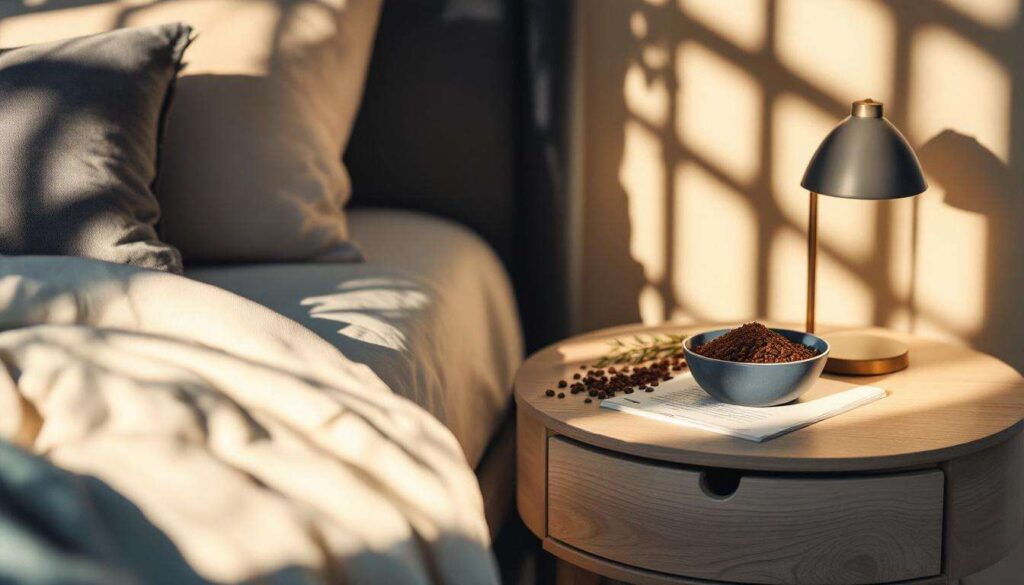
Sleep troubles affect millions of people who search for natural remedies to improve their rest without relying on medication or expensive devices. Among the surprising solutions gaining attention, placing a bowl of coffee grounds in the bedroom has emerged as an unconventional yet effective method. This simple household item, typically discarded after brewing morning coffee, possesses properties that can transform bedroom environments and promote better sleep quality through multiple mechanisms.
The hidden benefits of coffee grounds
Repurposing waste into wellness
Coffee grounds represent one of the most overlooked resources in households worldwide. After extraction, these nitrogen-rich remnants retain numerous beneficial compounds that extend far beyond their initial brewing purpose. Rather than contributing to landfill waste, used coffee grounds can serve multiple functions that enhance indoor environments.
The composition of coffee grounds includes essential oils, antioxidants, and natural absorbent properties that remain active even after water passes through them. These characteristics make them particularly valuable for addressing common bedroom concerns such as air quality, moisture control, and unwanted odors.
Economic and environmental advantages
Implementing coffee grounds in bedroom routines offers several practical benefits:
- Zero additional cost since they are a byproduct of daily coffee consumption
- Reduction of household waste through creative repurposing
- Elimination of chemical air fresheners and deodorizers
- Natural alternative to synthetic products that may contain harmful substances
- Sustainable solution aligned with eco-friendly lifestyle choices
Understanding these foundational advantages provides context for exploring the specific mechanisms through which coffee grounds influence sleep environments.
How coffee grounds purify the air
Natural absorption capabilities
Coffee grounds function as powerful natural absorbers due to their porous structure at the microscopic level. This physical characteristic enables them to trap airborne particles, volatile organic compounds, and various pollutants that accumulate in enclosed spaces. The surface area of coffee grounds, when examined closely, reveals countless tiny cavities that capture unwanted elements from surrounding air.
Research into activated carbon demonstrates similar principles, and coffee grounds share comparable properties. When placed in a bedroom, they actively work to filter contaminants that might otherwise irritate respiratory systems during sleep.
Comparison with conventional air purifiers
| Method | Cost | Maintenance | Effectiveness Duration |
|---|---|---|---|
| Coffee grounds | Free | Replace every 3-5 days | 3-5 days |
| Electric air purifier | $50-$300 | Filter replacement quarterly | Continuous with power |
| Chemical air fresheners | $5-$15 monthly | Regular replacement | 1-4 weeks |
The purification process naturally leads to another significant aspect of how coffee grounds influence bedroom atmospheres through their distinctive aromatic profile.
The role of olfactory properties of coffee
Aromatherapy connections
The scent of coffee possesses unique psychological effects that distinguish it from other aromas. Unlike the stimulating impact of freshly brewed coffee consumed as a beverage, the subtle fragrance from dried grounds creates a different neurological response. Studies examining olfactory influences on relaxation have identified coffee aroma among scents that can reduce stress markers when experienced in appropriate contexts.
The key distinction lies in intensity and association. A faint coffee scent in a bedroom setting triggers comforting memories and positive associations without the alertness response linked to caffeine consumption.
Masking disruptive odors
Beyond its inherent pleasant qualities, coffee aroma effectively neutralizes problematic smells that interfere with sleep:
- Mustiness from inadequate ventilation
- Lingering cooking odors that drift into sleeping areas
- Pet-related smells that accumulate in fabrics
- Chemical off-gassing from furniture or carpeting
- Stale air from closed windows during extreme weather
This masking effect works synergistically with the absorption properties previously discussed, creating a comprehensive approach to bedroom air quality that naturally extends to moisture management.
Eliminating humidity and bad odors
Moisture absorption mechanics
Excess humidity in bedrooms creates uncomfortable sleeping conditions and promotes mold growth, dust mites, and bacterial proliferation. Coffee grounds excel at drawing moisture from surrounding air through hygroscopic action. As they absorb water vapor, they help maintain optimal humidity levels that support restful sleep without the expense of electric dehumidifiers.
The ideal bedroom humidity ranges between 30-50 percent. While coffee grounds cannot replace mechanical dehumidification in extremely damp environments, they contribute meaningfully to moisture balance in typical residential settings.
Odor neutralization process
The mechanism behind odor elimination involves both physical absorption and chemical neutralization. Coffee grounds contain nitrogen compounds that react with sulfur-based odor molecules, effectively breaking them down rather than simply covering them. This chemical interaction provides lasting odor control superior to temporary masking agents.
Additionally, the grounds continue absorbing new odor molecules as they appear, maintaining freshness throughout their effective lifespan. This dual action against both humidity and odors creates an environment conducive to the ultimate goal of enhanced sleep quality.
Improving sleep quality naturally
Environmental factors in sleep science
Sleep researchers consistently emphasize the importance of bedroom environment optimization for achieving restorative rest. Temperature, air quality, humidity, and scent all influence how quickly people fall asleep and how deeply they remain asleep throughout the night. Coffee grounds address multiple environmental factors simultaneously:
- Cleaner air reduces nighttime respiratory irritation and coughing
- Controlled humidity prevents discomfort from excessive dryness or dampness
- Pleasant ambient scent creates psychological comfort
- Absence of chemical irritants supports uninterrupted sleep cycles
Supporting natural sleep rhythms
The cumulative effect of these improvements helps maintain circadian rhythms by removing environmental disruptions. When the body encounters fewer irritants and discomforts during sleep attempts, it more easily transitions through sleep stages from light to deep to REM sleep. This natural progression proves essential for physical recovery, memory consolidation, and overall health maintenance.
Implementing this natural solution requires understanding proper application methods to maximize effectiveness.
How to use coffee grounds effectively in the bedroom
Preparation and placement
Proper preparation ensures maximum benefit from coffee grounds in bedroom applications. After brewing coffee, spread used grounds on a plate or baking sheet to dry completely, which typically requires 24-48 hours. Moisture remaining in fresh grounds can lead to mold growth, defeating the purpose of air quality improvement.
Once thoroughly dried, transfer grounds to a shallow bowl or open container. Placement location matters significantly:
- Position near areas with poor air circulation
- Place on nightstands for proximity during sleep
- Distribute multiple small bowls throughout larger bedrooms
- Keep away from direct contact with fabrics to prevent staining
- Avoid placing directly under fans that might scatter grounds
Maintenance schedule and replacement
Coffee grounds remain effective for three to five days depending on room conditions. High humidity environments require more frequent replacement, while drier climates extend usability. Visual inspection helps determine replacement timing: when grounds appear clumped or develop any discoloration, replace them immediately.
| Room Size | Recommended Amount | Replacement Frequency |
|---|---|---|
| Small (under 100 sq ft) | 1/2 cup | Every 5 days |
| Medium (100-200 sq ft) | 1 cup | Every 4 days |
| Large (over 200 sq ft) | 1.5-2 cups | Every 3 days |
Enhancing effectiveness
Several strategies can amplify the benefits of bedroom coffee grounds. Adding a few drops of lavender or chamomile essential oil to dried grounds combines aromatherapy benefits with existing advantages. Stirring grounds daily exposes fresh surfaces for continued absorption. Pairing this method with proper ventilation during daytime hours and maintaining clean bedding creates a comprehensive approach to sleep environment optimization.
For individuals sensitive to coffee scent, starting with smaller quantities allows gradual acclimation. Most people find the subtle aroma pleasant and non-intrusive, especially compared to artificial air fresheners.
This accessible solution demonstrates how simple household items can address complex wellness challenges. By repurposing coffee grounds, individuals gain control over bedroom air quality, humidity, and ambient conditions without financial investment or chemical exposure. The multifaceted benefits, from odor neutralization to moisture control, combine to create environments that support natural sleep processes. As awareness grows regarding environmental factors in sleep quality, such practical and sustainable approaches offer valuable alternatives to commercial products while reducing waste and promoting healthier rest.