



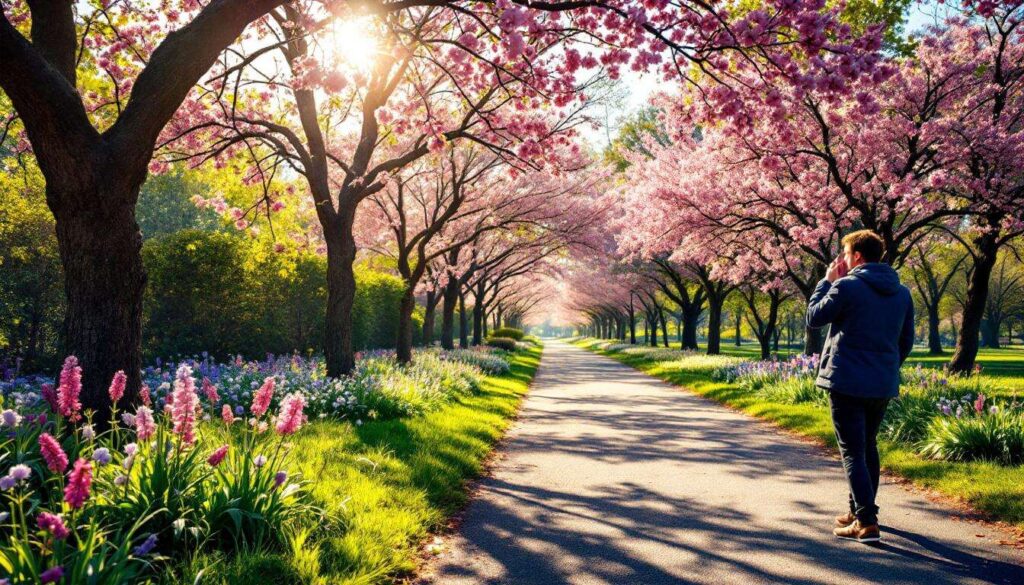
Allergy sufferers across the country are bracing for what medical experts describe as an unusually challenging spring season. Physicians and allergists have observed troubling patterns emerging from climate data and pollen forecasts, signaling that seasonal allergies will begin weeks ahead of traditional timelines and persist with greater intensity. The convergence of warmer winter temperatures, shifting precipitation patterns, and longer growing seasons has created conditions that favor earlier plant pollination and extended allergen exposure. Understanding these changes and preparing accordingly has become essential for millions of Americans who experience respiratory symptoms, watery eyes, and other debilitating reactions during peak allergy months.
Why spring allergies are arriving earlier in 2026
Temperature anomalies disrupting traditional pollen cycles
The most significant factor driving earlier allergy seasons involves sustained temperature increases recorded throughout winter months. Meteorological data reveals that average temperatures have remained consistently above historical norms, preventing the prolonged cold periods that traditionally keep plants dormant. When trees and grasses experience fewer freezing days, their biological clocks trigger earlier reproductive cycles, resulting in premature pollen release.
Allergists note that tree pollen counts have been detected four to six weeks earlier than measurements from previous decades. This acceleration compresses the timeline between different allergen waves, meaning sufferers experience overlapping exposure to multiple pollen types simultaneously rather than in distinct phases.
Extended growing seasons and plant development
Beyond temperature shifts, the lengthening of frost-free periods has fundamentally altered plant behavior. Spring now arrives earlier while autumn extends later, creating a significantly expanded window for vegetation growth and pollen production. Key observations include:
- First leaf emergence occurring three weeks ahead of schedule
- Flowering periods beginning in late winter rather than early spring
- Pollen production volumes increasing due to longer reproductive windows
- Sequential blooming patterns becoming simultaneous events
These botanical changes directly correlate with patient reports of symptoms manifesting earlier each year, forcing individuals to begin preventive treatments sooner than previously necessary.
These timing disruptions connect directly to broader environmental patterns that intensify allergic responses throughout the season.
Climatic factors exacerbating allergies
Increased atmospheric carbon dioxide levels
Research demonstrates that elevated CO2 concentrations in the atmosphere directly stimulate plant growth and pollen production. Laboratory studies show that common allergenic plants exposed to higher carbon dioxide levels produce substantially more pollen grains compared to plants in normal atmospheric conditions. This relationship creates a feedback loop where environmental changes amplify the very substances triggering allergic reactions.
| Environmental Factor | Impact on Pollen Production | Severity Increase |
|---|---|---|
| CO2 elevation | Enhanced plant growth | 30-50% higher output |
| Temperature rise | Earlier pollination | 4-6 weeks advance |
| Precipitation changes | Extended growing season | 20-30% longer duration |
Precipitation patterns and pollen dispersal
Rainfall timing and intensity significantly affect how allergens spread through the environment. Drought conditions followed by sudden heavy precipitation create ideal circumstances for explosive plant growth and subsequent pollen release. Conversely, consistent moderate rainfall can temporarily suppress airborne pollen counts by washing particles from the air, though this relief proves short-lived as plants quickly generate new pollen once conditions dry.
Wind patterns influenced by shifting weather systems also contribute to allergen distribution, carrying pollen across greater distances and exposing populations in regions previously less affected by specific plant types.
Understanding which specific plants drive these intensified reactions helps individuals identify their particular triggers and take targeted preventive action.
The plants responsible for seasonal allergies
Tree pollen dominance in early spring
The initial wave of spring allergies originates primarily from tree species that pollinate before developing full leaf coverage. These trees rely on wind dispersal rather than insect pollination, releasing massive quantities of lightweight pollen grains that travel considerable distances through the air. The most problematic varieties include:
- Oak trees producing highly allergenic pollen in enormous volumes
- Birch species triggering cross-reactions with certain foods
- Cedar and juniper releasing pollen as early as late winter
- Maple trees contributing to early-season allergen loads
- Ash trees extending the tree pollen season into late spring
Grass and weed allergens extending the season
As tree pollen subsides, grass species begin their reproductive cycles, maintaining constant allergen presence through late spring and early summer. Timothy grass, Bermuda grass, and ryegrass represent the primary culprits affecting suburban and rural populations. Their pollen grains, while smaller than tree pollen, prove equally problematic for sensitive individuals.
Weed pollens, particularly from ragweed plants, traditionally dominate late summer and fall but increasingly overlap with spring allergens due to extended growing seasons. This overlap creates year-round exposure for individuals sensitive to multiple plant types.
Armed with knowledge about allergen sources and timing, individuals can implement strategic preparation measures to minimize symptom severity.
How to prepare for allergy season
Monitoring pollen forecasts and counts
Proactive management begins with regular consultation of local pollen reports and forecasts. Numerous weather services and allergy-focused applications provide daily updates on pollen concentrations by type, allowing sufferers to anticipate high-exposure days. Planning outdoor activities around these forecasts significantly reduces allergen contact.
Medical professionals recommend checking pollen counts each morning and adjusting daily routines accordingly, particularly during peak release times between early morning and mid-morning hours when plants actively disperse pollen.
Environmental modifications and home preparation
Creating a low-allergen home environment provides essential refuge during high pollen periods. Practical preparation steps include:
- Installing HEPA filtration systems in heating and cooling units
- Keeping windows closed during peak pollen hours
- Using air purifiers in bedrooms and primary living spaces
- Removing shoes at entry points to prevent pollen tracking
- Showering and changing clothes after outdoor exposure
- Washing bedding frequently in hot water
These measures collectively reduce indoor allergen concentrations, providing symptomatic relief and improving sleep quality during challenging periods.
Beyond environmental controls, medical interventions offer additional protection against allergic responses.
Treatments recommended by doctors
Preventive medications and timing strategies
Allergists emphasize that starting medications before symptoms appear proves far more effective than reactive treatment. Antihistamines, when taken two to three weeks prior to anticipated pollen exposure, build therapeutic levels in the body that block histamine receptors before allergic cascades begin.
Common preventive approaches include:
- Daily non-sedating antihistamines like cetirizine or loratadine
- Nasal corticosteroid sprays reducing inflammation
- Leukotriene inhibitors blocking additional inflammatory pathways
- Mast cell stabilizers preventing histamine release
Immunotherapy for long-term relief
For individuals experiencing severe or prolonged symptoms, allergen immunotherapy offers potential long-term solutions. This treatment involves gradually exposing the immune system to increasing allergen doses, training the body to tolerate substances that previously triggered reactions. Available formats include:
| Treatment Type | Administration Method | Typical Duration |
|---|---|---|
| Subcutaneous immunotherapy | Regular injections | 3-5 years |
| Sublingual immunotherapy | Daily tablets or drops | 3-5 years |
While requiring significant time commitment, immunotherapy can substantially reduce symptom severity and medication dependence for many patients.
Complementing medical treatments with practical lifestyle adjustments further enhances symptom control and quality of life during allergy season.
Tips to alleviate allergy symptoms
Daily habits reducing allergen exposure
Simple behavioral modifications make measurable differences in symptom intensity and frequency. Timing outdoor activities strategically minimizes pollen contact, with late afternoon and evening hours generally presenting lower airborne concentrations. Wearing wraparound sunglasses protects eyes from direct pollen contact, while wide-brimmed hats prevent particles from settling in hair.
After spending time outdoors, immediately changing clothes and rinsing nasal passages with saline solution removes allergens before they trigger prolonged reactions. Keeping car windows closed and using recirculated air settings during drives prevents vehicle interiors from becoming pollen repositories.
Natural remedies and supportive measures
While not replacing medical treatments, certain complementary approaches provide additional relief for some individuals. These include:
- Nasal irrigation with sterile saline clearing mucus and allergens
- Local honey consumption potentially building tolerance to regional pollens
- Quercetin supplements demonstrating antihistamine properties
- Butterbur extract showing promise in clinical studies
- Steam inhalation soothing irritated airways
Patients should consult healthcare providers before adding supplements, as some interact with prescription medications or carry contraindications for certain health conditions.
The convergence of earlier pollen seasons, intensified allergen production, and extended exposure periods creates unprecedented challenges for allergy sufferers. Medical experts emphasize that proactive preparation, including early medication initiation, environmental modifications, and consistent symptom monitoring, remains essential for managing this increasingly severe health concern. Understanding the specific plants triggering individual reactions allows for targeted avoidance strategies, while both conventional treatments and supportive lifestyle adjustments provide multi-layered defense against allergic responses. As climate patterns continue shifting, adapting prevention and treatment approaches becomes critical for maintaining quality of life during what physicians predict will be progressively difficult allergy seasons. Consulting with allergists early enables personalized management plans addressing specific sensitivities and severity levels, ensuring optimal outcomes despite environmental challenges.