



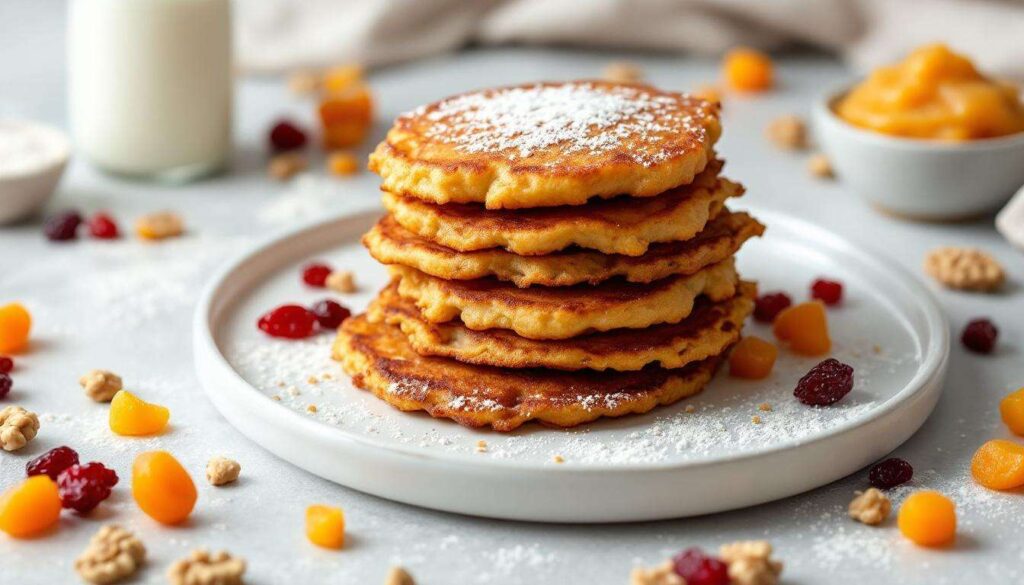
In an era where health-conscious eating dominates culinary conversations, baked fruit fritters without sugar emerge as a revolutionary answer to the age-old dilemma: how to enjoy indulgent treats while maintaining nutritional goals. This recipe transforms traditional deep-fried, sugar-laden fritters into a lighter, oven-baked alternative that delivers satisfying flavor without compromising your wellness journey.
The concept challenges conventional dessert wisdom by proving that sweetness doesn’t require refined sugar. Natural fruit sugars, enhanced through careful baking techniques, create caramelized edges and tender interiors that rival any bakery creation. These fritters represent more than a recipe — they symbolize a shift toward mindful eating that doesn’t sacrifice pleasure for health.
Perfect for breakfast, snacks, or guilt-free dessert, these fritters accommodate various dietary preferences while remaining accessible to home cooks of all skill levels. The baking method eliminates excess oil, reducing calorie density while preserving the comforting texture that makes fritters universally beloved.
15
25
easy
€
Ingredients
Utensils
Preparation
1. Prepare your oven and ingredients
Preheat your oven to 375°F (190°C). This temperature ensures proper baking without burning the natural sugars in the fruit. Line your baking sheet with parchment paper, which prevents sticking and makes cleanup effortless. Parchment paper is a non-stick baking paper that withstands oven heat. Chop the dried apricots into small pieces, roughly the size of a raisin, so they distribute evenly throughout the batter. This step ensures every bite contains fruit sweetness.
2. Mix the dry ingredients thoroughly
In a large mixing bowl, combine the whole wheat flour, baking powder, ground cinnamon, and salt. Whisk these ingredients together for at least 30 seconds to ensure even distribution. This whisking process is crucial because it prevents clumps of baking powder or cinnamon from creating uneven texture in your fritters. The cinnamon not only adds warmth but also enhances the perception of sweetness without adding sugar.
3. Create the wet mixture
In a separate bowl, combine the unsweetened almond milk, unsweetened applesauce, and vanilla extract. Whisk until completely smooth. The applesauce serves a dual purpose: it replaces both eggs and sugar, providing moisture and natural sweetness. Applesauce acts as a binding agent, holding ingredients together like eggs would. Make sure your almond milk is at room temperature to prevent the coconut oil from solidifying when combined.
4. Combine wet and dry ingredients carefully
Pour the wet mixture into the bowl with the dry ingredients. Using a spatula or wooden spoon, fold the ingredients together with gentle motions. Avoid overmixing — stop as soon as you no longer see dry flour streaks. Overmixing develops gluten, which creates tough, chewy fritters instead of tender ones. Folding means gently turning ingredients over each other rather than stirring vigorously. The batter should be thick but scoopable, similar to cookie dough consistency.
5. Add the fruit and nuts
Fold in the chopped dried apricots, dried cranberries, and chopped walnuts. These additions provide texture contrast and concentrated sweetness. The dried fruits will soften slightly during baking, releasing their natural sugars and creating pockets of intense flavor. Walnuts add healthy fats and a satisfying crunch that makes these fritters feel substantial rather than diet food.
6. Shape the fritters uniformly
Melt the coconut oil and lightly brush it onto the parchment-lined baking sheet. Using an ice cream scoop or two spoons, portion the batter into eight equal mounds, spacing them about 2 inches apart. Uniform sizing ensures even baking — smaller fritters will burn while larger ones remain undercooked if sizes vary significantly. Gently flatten each mound slightly with the back of your spoon to create a disk shape about 1/2 inch thick.
7. Bake to golden perfection
Place the baking sheet in the preheated oven on the middle rack. Bake for 12 minutes, then rotate the pan 180 degrees to ensure even browning. Continue baking for another 10-13 minutes until the fritters are golden brown on the edges and firm to gentle touch. Rotating the pan compensates for oven hot spots that cause uneven cooking. The fritters will appear slightly soft when first removed but will firm up as they cool.
8. Cool before serving
Transfer the baking sheet to a wire cooling rack and let the fritters rest for 5 minutes before removing them from the parchment. This resting period allows the structure to set, preventing them from breaking apart. The cooling process also allows flavors to develop fully — the cinnamon becomes more pronounced and the fruit sweetness intensifies slightly as temperatures equalize.

Chef’s tip
For extra flavor depth without adding sugar, try toasting your chopped walnuts in a dry skillet for 3-4 minutes before adding them to the batter. This releases their natural oils and creates a richer, more complex nutty flavor that enhances the overall taste profile. Additionally, if you find the fritters not sweet enough for your preference, serve them with a small drizzle of pure maple syrup or a dollop of Greek yogurt mixed with mashed banana — both options add natural sweetness while keeping the recipe refined-sugar-free.
Beverage pairing for sugar-free fritters
These wholesome fritters pair beautifully with unsweetened herbal tea, particularly chamomile or rooibos varieties that complement the cinnamon notes without competing with the fruit flavors. For morning service, freshly brewed black coffee provides a bitter contrast that makes the natural fruit sweetness more pronounced.
If serving as dessert, consider golden milk — a warm beverage made from turmeric, ginger, and unsweetened plant milk — which echoes the warming spices in the fritters while adding anti-inflammatory benefits. For children or those avoiding caffeine, sparkling water with a squeeze of fresh lemon creates a refreshing palate cleanser between bites.
Extra tip
Fritters have existed across cultures for centuries, traditionally prepared by deep-frying battered ingredients in oil. The term derives from the Latin frictura, meaning “fried.” Historical versions appeared in medieval European cookbooks, often heavily sweetened and reserved for special occasions due to the expense of sugar and cooking fats.
This modern interpretation reflects contemporary nutritional understanding about refined sugar’s impact on metabolic health. The baking method emerged in the late 20th century as health-conscious cooks sought ways to enjoy traditional treats with reduced fat content. Dried fruits, cultivated since ancient times as preservation methods, provide concentrated sweetness that our ancestors relied upon before refined sugar became widely available.
The absence of added sugar doesn’t diminish enjoyment — it actually allows the complex flavors of whole grains, spices, and fruits to shine without being masked by overwhelming sweetness. This recipe demonstrates that “healthy” and “delicious” aren’t mutually exclusive categories but can coexist harmoniously in thoughtful cooking.