



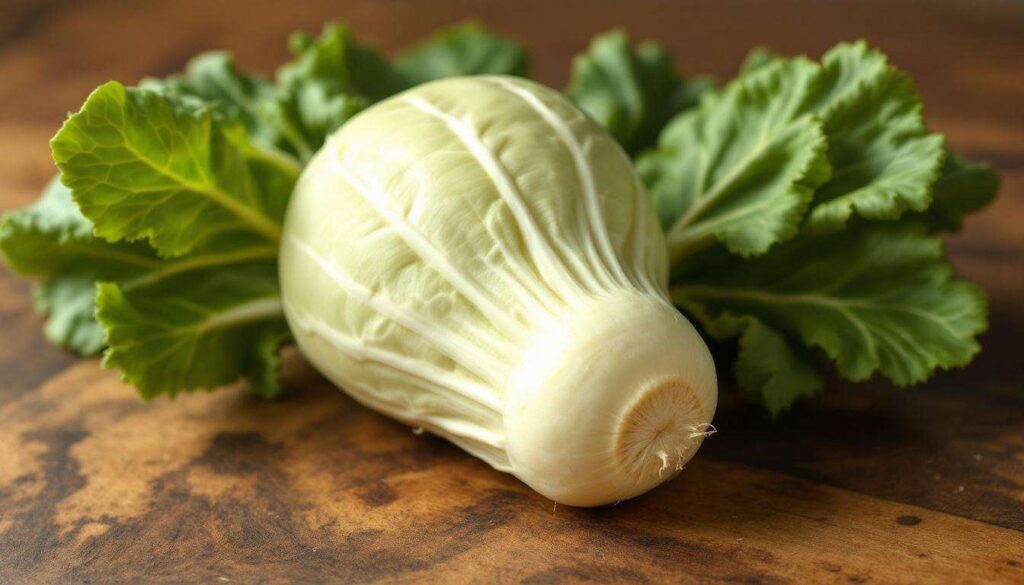
Kohlrabi remains one of the most underrated vegetables in modern kitchens, yet this bulbous member of the cabbage family deserves far more attention than it typically receives. With its mild, slightly sweet flavor and impressive nutritional profile, kohlrabi offers both culinary versatility and health benefits that rival more popular produce options. Whether you encounter it at farmers’ markets or grocery stores, this German turnip presents an opportunity to expand your vegetable repertoire while nourishing your body with essential vitamins and minerals.
Discovering Kohlrabi: an Essential Introduction
What Exactly Is Kohlrabi
Kohlrabi, whose name translates from German as cabbage turnip, is a biennial vegetable belonging to the Brassica oleracea family. The edible portion is actually a swollen stem that grows above ground, not a root vegetable as many assume. This distinctive bulb comes in two primary varieties: pale green and purple, though both share similar flavor profiles and nutritional content. The vegetable produces leaves that sprout from the bulb, and these greens are also entirely edible and nutritious.
Historical Background and Cultural Significance
This cruciferous vegetable has been cultivated for centuries across Europe and Asia, with particularly strong traditions in German, Austrian, and Indian cuisines. The vegetable gained popularity throughout Northern Europe during the 16th century and has maintained its status as a staple in many traditional dishes. In recent decades, kohlrabi has experienced a resurgence among health-conscious consumers and chefs seeking unique ingredients with robust nutritional profiles.
Flavor Profile and Texture Characteristics
Raw kohlrabi delivers a crisp, crunchy texture similar to apple or jicama, with a flavor that combines mild sweetness with subtle peppery notes reminiscent of broccoli stems. When cooked, the vegetable becomes tender and develops a sweeter, more delicate taste that pairs well with various seasonings and cooking methods. The texture transforms from crisp to creamy when properly prepared, making it suitable for numerous culinary applications.
Understanding these fundamental characteristics sets the stage for appreciating the remarkable nutritional advantages this vegetable provides.
The Nutritional Benefits of Kohlrabi
Vitamin and Mineral Content
Kohlrabi stands out as a nutritional powerhouse packed with essential vitamins and minerals. A single cup of raw kohlrabi provides an impressive array of nutrients that support overall health and wellness:
- Vitamin C: exceeds 100% of the daily recommended intake, supporting immune function and collagen production
- Vitamin B6: contributes to brain development and helps the body convert food into energy
- Potassium: aids in maintaining healthy blood pressure levels and proper muscle function
- Fiber: promotes digestive health and helps maintain stable blood sugar levels
- Folate: essential for cell growth and particularly important during pregnancy
Low-Calorie Nutritional Density
One of the most appealing aspects of kohlrabi is its exceptional nutrient-to-calorie ratio. A cup of raw kohlrabi contains approximately 36 calories while delivering substantial nutritional benefits. This makes it an ideal choice for individuals managing their weight while ensuring adequate nutrient intake.
| Nutrient | Amount per Cup (Raw) | % Daily Value |
|---|---|---|
| Calories | 36 | 2% |
| Vitamin C | 83.7 mg | 140% |
| Fiber | 4.9 g | 18% |
| Potassium | 472 mg | 13% |
Antioxidant and Anti-Inflammatory Properties
As a member of the cruciferous vegetable family, kohlrabi contains glucosinolates and other phytochemicals that exhibit antioxidant properties. These compounds help protect cells from oxidative stress and may reduce inflammation throughout the body. Research suggests that regular consumption of cruciferous vegetables like kohlrabi may support cardiovascular health and potentially reduce the risk of certain chronic diseases.
With such impressive nutritional credentials established, the next logical step involves learning practical methods for adding this vegetable to your regular meal planning.
How to Incorporate Kohlrabi into Your Diet
Preparation Basics and Cooking Methods
Before cooking kohlrabi, proper preparation ensures the best texture and flavor. Start by washing the bulb thoroughly, then use a sharp knife or vegetable peeler to remove the tough outer skin. The inner flesh should be pale and firm. Once peeled, kohlrabi can be prepared using various cooking methods:
- Roasting: cut into cubes, toss with olive oil and seasonings, roast at 400°F for 25-30 minutes
- Steaming: slice into rounds and steam for 8-10 minutes until tender
- Sautéing: julienne or dice and cook in a pan with butter or oil for 5-7 minutes
- Grilling: slice into thick rounds, brush with oil, and grill for 3-4 minutes per side
Raw Applications and Fresh Preparations
Kohlrabi shines when used raw in various dishes. Its crisp texture and mild flavor make it an excellent addition to salads, slaws, and crudité platters. Spiralize it into noodles for a low-carb pasta alternative, or slice it thinly for sandwiches and wraps. The vegetable can also be grated and added to coleslaws or mixed vegetable salads for extra crunch and nutritional value.
Substitution Possibilities in Existing Recipes
One of the easiest ways to incorporate kohlrabi is by substituting it for similar vegetables in recipes you already enjoy. Replace turnips, radishes, or water chestnuts with kohlrabi in stir-fries. Use it instead of cabbage in certain preparations, or swap it for potatoes in gratins and casseroles for a lower-carb alternative that still provides satisfying texture.
Armed with these preparation techniques, you can now explore specific recipe applications that showcase kohlrabi’s versatility.
Simple and Delicious Kohlrabi Recipe Ideas
Quick Kohlrabi Slaw
This refreshing side dish requires minimal preparation and delivers maximum flavor. Julienne two medium kohlrabi bulbs and combine with shredded carrots and thinly sliced red onion. Dress with a mixture of apple cider vinegar, olive oil, honey, and Dijon mustard. Season with salt and pepper, then refrigerate for at least 30 minutes before serving. This slaw pairs beautifully with grilled meats and fish.
Roasted Kohlrabi with Herbs
Cut peeled kohlrabi into 1-inch cubes and toss with olive oil, minced garlic, fresh thyme, and rosemary. Spread on a baking sheet and roast at 425°F for 25-30 minutes, stirring halfway through, until golden brown and tender. Finish with a squeeze of lemon juice and grated Parmesan cheese for an elegant side dish that complements any protein.
Kohlrabi Fritters
Grate kohlrabi and squeeze out excess moisture using a clean kitchen towel. Mix with beaten eggs, flour, chopped herbs, and seasonings to form a batter. Form into patties and pan-fry in oil until golden and crispy on both sides. Serve hot with sour cream or yogurt-based dipping sauce for a satisfying appetizer or light meal.
Once you begin experimenting with these recipes, knowing how to select and preserve kohlrabi becomes essential for maintaining quality.
Tips for Choosing and Storing Kohlrabi
Selecting Quality Kohlrabi at the Market
When shopping for kohlrabi, look for bulbs that are firm, heavy for their size, and free from soft spots or blemishes. Smaller to medium-sized bulbs, typically 2-3 inches in diameter, tend to be more tender and flavorful than larger specimens. The skin should appear smooth and unblemished, while attached leaves should look fresh and vibrant rather than wilted or yellowed.
Proper Storage Techniques
To maximize freshness and shelf life, remove the leaves from the bulb if they are still attached, as they draw moisture from the bulb. Store the bulb in a plastic bag in the refrigerator crisper drawer, where it will keep for several weeks. The leaves can be stored separately in a plastic bag and should be used within a few days, similar to other leafy greens.
Freezing and Long-Term Preservation
For extended storage, kohlrabi can be blanched and frozen. Peel and cut the bulb into cubes, blanch in boiling water for 2-3 minutes, then immediately transfer to ice water. Drain thoroughly, pack into freezer bags, and store for up to 8 months. While the texture may soften slightly upon thawing, frozen kohlrabi works well in cooked dishes like soups and stews.
Kohlrabi deserves recognition as a versatile, nutritious vegetable that can enhance any diet. Its impressive vitamin C content, low calorie count, and crisp texture make it valuable for health-conscious consumers. Whether enjoyed raw in salads, roasted as a side dish, or incorporated into creative recipes, this underappreciated vegetable offers endless culinary possibilities. By selecting quality bulbs and storing them properly, you can ensure a ready supply of this nutritious ingredient. Give kohlrabi a chance in your kitchen, and you may discover it becomes a regular feature in your meal planning.