


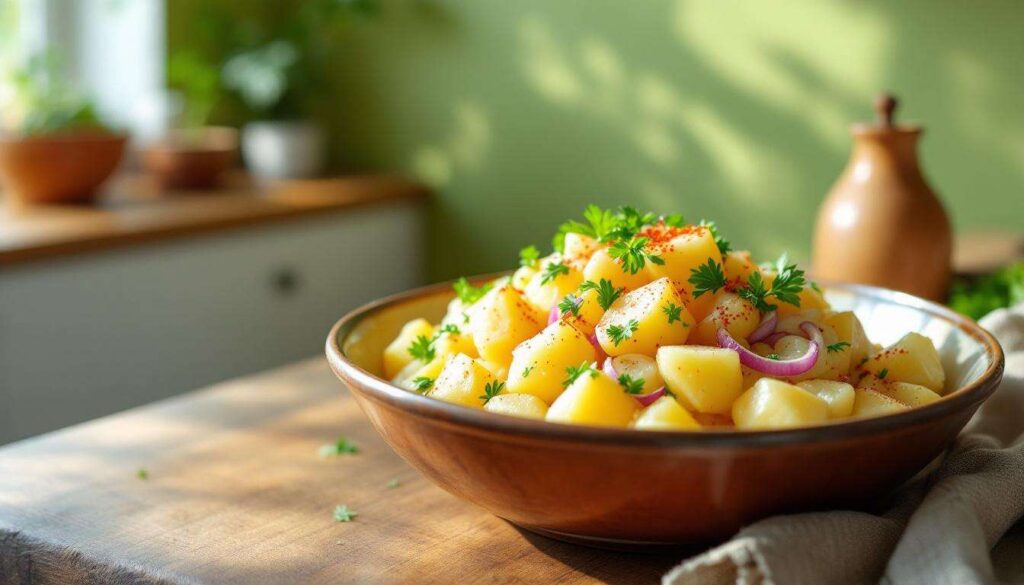
Potato salad often gets a bad reputation as a heavy, calorie-laden side dish best avoided by health-conscious eaters. However, this popular picnic staple contains more nutritional value than many realize. The key lies not in the potatoes themselves, but in how the dish is prepared and what ingredients accompany them. When made thoughtfully, potato salad can deliver essential nutrients, support digestive health, and fit seamlessly into a balanced diet. Understanding which preparation methods enhance its benefits and which undermine them transforms this comfort food from guilty pleasure to nutritious choice.
The Overlooked Benefits of Potato Salad
Nutritional value of potatoes
Potatoes provide a surprising array of vitamins and minerals that contribute to overall health. A medium potato contains more potassium than a banana, offering approximately 620 milligrams of this essential mineral that helps regulate blood pressure and supports heart function. They also deliver vitamin C, vitamin B6, and folate, all crucial for immune function and cellular health. The resistant starch found in cooled potatoes acts as a prebiotic, feeding beneficial gut bacteria and improving digestive health.
Fiber content and satiety
When prepared with the skin on, potatoes become an excellent source of dietary fiber. This fiber content offers multiple benefits:
- Promotes feelings of fullness and reduces overall calorie intake
- Supports healthy digestion and regular bowel movements
- Helps stabilize blood sugar levels throughout the day
- Contributes to lower cholesterol levels
The combination of fiber and resistant starch makes potato salad particularly satisfying, which can prevent overeating at meals and reduce unhealthy snacking between meals.
Comparison with other side dishes
| Side Dish | Calories (per cup) | Fiber (grams) | Potassium (mg) |
|---|---|---|---|
| Potato salad (light prep) | 180-220 | 3-4 | 500-600 |
| Macaroni salad | 360-400 | 1-2 | 100-150 |
| Coleslaw (creamy) | 150-200 | 2-3 | 200-250 |
| French fries | 365-400 | 3-4 | 450-500 |
When prepared properly, potato salad compares favorably to alternative side dishes in terms of nutritional density and caloric content. The real challenge lies in the preparation methods that can either preserve or diminish these inherent benefits.
Common Preparation Mistakes
Excessive mayonnaise usage
The most significant mistake in potato salad preparation involves drowning the potatoes in mayonnaise. Traditional recipes often call for one to two cups of mayonnaise for a basic batch, adding unnecessary calories and saturated fat. This heavy-handed approach masks the natural flavor of the potatoes while contributing little nutritional value. Many home cooks also add mayonnaise while potatoes are still warm, causing it to thin and requiring even more to achieve the desired consistency.
Removing potato skins unnecessarily
Peeling potatoes before cooking eliminates a substantial portion of their nutritional benefits. The skin contains:
- Approximately half of the potato’s total fiber content
- Concentrated amounts of vitamins and minerals
- Beneficial phytochemicals with antioxidant properties
- Additional texture and visual appeal to the finished dish
Overcooking the potatoes
Boiling potatoes until they become mushy destroys their texture and leaches water-soluble vitamins into the cooking water. Overcooked potatoes also absorb excessive amounts of dressing, requiring more mayonnaise or oil to achieve proper coating. The ideal potato for salad should be tender but still hold its shape when gently stirred with other ingredients.
Adding processed meats and excessive salt
Many traditional recipes incorporate bacon, hot dogs, or processed deli meats, which introduce high levels of sodium, saturated fat, and preservatives. These additions quickly transform a potentially healthy dish into one that undermines cardiovascular health and contributes to inflammation. Similarly, oversalting the cooking water and the finished salad can push sodium levels beyond recommended daily limits. Recognizing these pitfalls sets the stage for making smarter ingredient choices.
Healthy Ingredients to Prioritize
Fresh vegetables and herbs
Incorporating colorful vegetables increases the nutritional density of potato salad while adding crunch and visual appeal. Consider including:
- Diced celery for crunch and minimal calories
- Red bell peppers for vitamin C and antioxidants
- Thinly sliced radishes for peppery flavor and texture
- Chopped fresh dill, parsley, or chives for aromatic complexity
- Finely diced red onion or scallions for sharpness
These additions contribute vitamins, minerals, and phytonutrients without significantly increasing caloric content.
Protein-rich additions
Adding lean protein transforms potato salad from a simple side dish into a more complete meal. Hard-boiled eggs provide high-quality protein, healthy fats, and important nutrients like choline. Greek yogurt mixed into the dressing adds protein while reducing overall fat content. For plant-based options, chickpeas or white beans complement potatoes beautifully while contributing fiber and plant protein.
Healthy fat sources
Rather than relying exclusively on mayonnaise, incorporate nutrient-dense fat sources such as:
- Extra virgin olive oil for heart-healthy monounsaturated fats
- Avocado or mashed avocado for creaminess and omega-3 fatty acids
- A small amount of tahini for nutty flavor and minerals
- Chopped walnuts or almonds for crunch and beneficial fats
These alternatives provide essential fatty acids and fat-soluble vitamins while creating satisfying texture and flavor. The focus now shifts to selecting the right dressing components to bind these ingredients together.
How to Choose the Right Dressing
Lighter mayonnaise alternatives
Several options can replace or reduce traditional mayonnaise while maintaining creaminess. Greek yogurt offers tanginess and protein with significantly fewer calories and more nutritional benefits. A combination of half Greek yogurt and half light mayonnaise provides familiar richness while cutting calories by approximately 40 percent. Mashed avocado creates a creamy, dairy-free base rich in heart-healthy fats and fiber.
Vinegar-based dressings
German-style potato salad demonstrates that mayonnaise is entirely optional. A warm vinaigrette made with apple cider vinegar, whole grain mustard, and a modest amount of olive oil creates a lighter dish that highlights rather than masks potato flavor. This approach offers several advantages:
- Dramatically reduced calorie and fat content
- Enhanced flavor from vinegar’s acidity and mustard’s complexity
- Better shelf stability at room temperature
- Digestive benefits from vinegar’s probiotic properties
Balancing flavors without excess fat
Creating a flavorful dressing requires understanding how different components interact. Acid from vinegar or lemon juice brightens flavors and reduces the need for salt. Dijon mustard adds depth and acts as an emulsifier, helping oil and vinegar combine smoothly. Fresh herbs contribute aromatic complexity without calories. A small amount of honey or maple syrup can balance acidity without excessive sweetness. The ratio of fat to acid should typically be two parts fat to one part acid, though this can be adjusted based on personal preference and the other ingredients in the salad. Beyond dressing selection, the cooking method itself significantly impacts the final nutritional profile.
The Importance of Proper Cooking Methods
Steaming versus boiling
Steaming potatoes preserves more nutrients than boiling because water-soluble vitamins remain in the potato rather than leaching into cooking water. Steamed potatoes also absorb less water, resulting in firmer texture and better ability to hold their shape when mixed with dressing. The process takes slightly longer but yields superior results for potato salad preparation.
Cooling potatoes before dressing
Allowing cooked potatoes to cool completely before adding dressing serves multiple purposes. Cool potatoes develop higher levels of resistant starch, which provides prebiotic benefits and reduces the glycemic impact of the dish. They also absorb less dressing, allowing for lighter preparation. The cooling process typically takes 30 to 45 minutes at room temperature or can be accelerated by spreading potatoes on a baking sheet.
Optimal potato varieties for salads
| Potato Type | Starch Content | Best For | Texture Result |
|---|---|---|---|
| Yukon Gold | Medium | All-purpose salads | Creamy but holds shape |
| Red potatoes | Low | Chunky, hearty salads | Firm, waxy texture |
| Fingerling | Low | Gourmet preparations | Dense, buttery texture |
| Russet | High | Avoid for salads | Falls apart easily |
Waxy potatoes with lower starch content maintain their structure better than high-starch varieties, making them ideal for salads where distinct potato pieces are desired. With proper cooking techniques established, attention can turn to creating a balanced final product.
Tips for a Balanced and Flavorful Potato Salad
Portion control strategies
Even healthy potato salad should be consumed in reasonable portions as part of a balanced meal. A serving size of one-half to three-quarters cup provides satisfaction without excessive calories. Serving potato salad alongside lean protein and additional vegetables creates a complete, nutritionally balanced plate. Using smaller serving utensils naturally encourages appropriate portion sizes at gatherings and buffets.
Seasoning techniques that reduce sodium
Flavor can be enhanced without excessive salt through strategic seasoning:
- Add fresh lemon juice or vinegar for brightness that reduces salt needs
- Use garlic powder, onion powder, or smoked paprika for depth
- Incorporate fresh herbs generously for aromatic complexity
- Add a small amount of capers or pickles for briny flavor with less sodium than straight salt
- Season in layers, tasting as you go rather than adding all salt at once
Make-ahead considerations
Potato salad often tastes better after flavors have had time to meld, but proper storage is essential. Refrigerate the salad within two hours of preparation and consume within three to five days. If making ahead, consider keeping the dressing separate until shortly before serving to prevent sogginess. Reserve some fresh herbs to add just before serving for optimal color and aroma.
Customization for dietary needs
Potato salad adapts easily to various dietary requirements. For vegan preparations, use plant-based mayonnaise or tahini-based dressings. Those following low-carb diets can substitute cauliflower for half the potatoes without dramatically changing texture. Individuals with egg allergies can omit hard-boiled eggs and use egg-free mayonnaise alternatives. The flexibility of potato salad makes it an inclusive dish suitable for diverse dietary preferences when prepared thoughtfully.
Potato salad deserves reconsideration as a nutritious side dish rather than an indulgent splurge. The potatoes themselves provide valuable nutrients including potassium, vitamin C, fiber, and resistant starch that supports digestive health. The difference between a healthy version and a calorie-laden one lies entirely in preparation choices. By minimizing mayonnaise, keeping potato skins intact, adding colorful vegetables, choosing lighter dressings, and employing proper cooking methods, this classic dish becomes a nutritional asset. Thoughtful ingredient selection and portion awareness transform potato salad from a guilty pleasure into a satisfying, health-supporting component of any meal.