



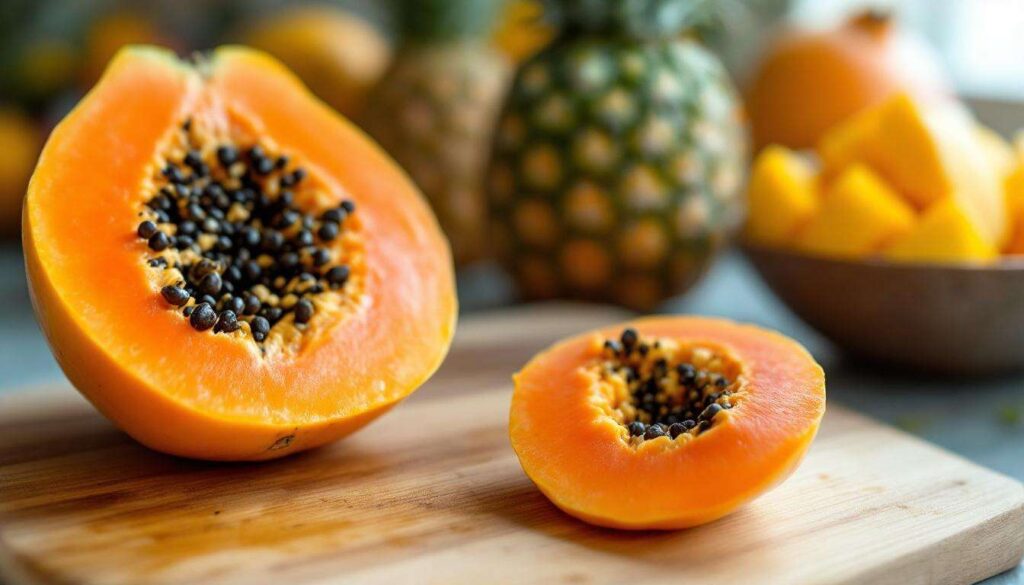
Cardiovascular health remains one of the most pressing concerns for millions of people worldwide. High cholesterol levels contribute significantly to heart disease, stroke, and other serious conditions. While medications offer solutions, many individuals seek natural alternatives to manage their cholesterol. Enter the dragon fruit, a vibrant tropical treasure that has captured the attention of nutritionists and health researchers alike. This remarkable fruit, with its striking appearance and impressive nutritional profile, offers a delicious approach to supporting heart health and lowering cholesterol levels.
What is this exotic fruit ?
Dragon fruit, also known as pitaya, originates from Central and South America but now thrives in tropical and subtropical regions across the globe. The fruit grows on a climbing cactus species called Hylocereus, which produces stunning night-blooming flowers before developing into the distinctive fruit.
Physical characteristics and varieties
The dragon fruit’s appearance is nothing short of spectacular. Its exterior features bright pink or yellow skin covered with green, scale-like leaves that give it a dragon-like appearance, hence the name. The fruit typically measures between four to six inches in length and weighs approximately eight to twelve ounces.
Three main varieties exist:
- White-fleshed pitaya: pink skin with white flesh and black seeds
- Red-fleshed pitaya: pink skin with deep magenta flesh and black seeds
- Yellow pitaya: yellow skin with white flesh and black seeds
The flavor profile is subtly sweet, often described as a cross between kiwi and pear, with a texture similar to melon. The tiny black seeds distributed throughout the flesh add a pleasant crunch and contain beneficial omega-3 fatty acids.
Understanding the nutritional composition of this fruit reveals why it has become such a powerful ally in the fight against high cholesterol.
The health benefits
Dragon fruit delivers an impressive array of nutrients while remaining remarkably low in calories. A typical serving of approximately 100 grams contains only 60 calories, making it an excellent choice for those managing their weight alongside cholesterol levels.
Nutritional profile breakdown
| Nutrient | Amount per 100g | Daily Value % |
|---|---|---|
| Vitamin C | 9mg | 10% |
| Fiber | 3g | 12% |
| Iron | 0.7mg | 4% |
| Magnesium | 40mg | 10% |
Antioxidant powerhouse
Dragon fruit contains powerful antioxidants that protect cells from oxidative stress and inflammation. The red-fleshed variety is particularly rich in betalains, pigments that provide both the vibrant color and significant health benefits. These compounds work alongside vitamin C and carotenoids to neutralize free radicals in the body.
The fruit also provides essential minerals including iron, which supports healthy blood production, and magnesium, crucial for muscle function and bone health. The prebiotic fiber content promotes digestive health by feeding beneficial gut bacteria, which emerging research links to improved cardiovascular health.
These comprehensive nutritional benefits create a foundation for understanding how dragon fruit specifically targets cholesterol management.
How the fruit impacts cholesterol
The cholesterol-lowering properties of dragon fruit stem from multiple mechanisms working synergistically within the body.
Fiber content and cholesterol absorption
The soluble fiber in dragon fruit plays a crucial role in reducing cholesterol levels. This type of fiber binds to cholesterol molecules in the digestive system, preventing their absorption into the bloodstream. Instead, the cholesterol is eliminated through waste, effectively reducing overall cholesterol levels.
Research indicates that consuming adequate soluble fiber can reduce LDL cholesterol, often called “bad cholesterol,” by five to ten percent. A single dragon fruit provides approximately three grams of fiber, contributing significantly to the recommended daily intake of 25 to 30 grams.
Antioxidants and cardiovascular protection
The antioxidants in dragon fruit, particularly betalains and flavonoids, prevent the oxidation of LDL cholesterol. Oxidized LDL cholesterol is more likely to accumulate in arterial walls, leading to plaque formation and atherosclerosis. By preventing this oxidation, dragon fruit helps maintain arterial health and reduces cardiovascular risk.
Seeds and omega-3 fatty acids
The tiny black seeds scattered throughout dragon fruit flesh contain beneficial fatty acids, including omega-3s. These healthy fats support the production of HDL cholesterol, known as “good cholesterol,” which helps remove excess cholesterol from the bloodstream and transport it to the liver for processing.
Key benefits include:
- Reduction in triglyceride levels
- Improved HDL to LDL cholesterol ratio
- Decreased inflammation in blood vessels
- Enhanced overall cardiovascular function
Knowing how to prepare and consume dragon fruit maximizes these cholesterol-lowering benefits.
Simple and delicious recipe ideas
Incorporating dragon fruit into your diet becomes effortless with these creative and appetizing preparation methods.
Fresh consumption methods
The simplest approach involves cutting the fruit in half and scooping out the flesh with a spoon, similar to eating an avocado. Alternatively, peel the skin and cube the flesh for a refreshing snack. The mild flavor pairs excellently with citrus fruits, berries, and tropical companions like mango and pineapple.
Smoothie creations
Dragon fruit smoothies offer a nutrient-dense breakfast or snack option. Blend one dragon fruit with a banana, handful of spinach, half cup of Greek yogurt, and coconut water for a cholesterol-friendly beverage. The vibrant color makes it visually appealing while delivering heart-healthy benefits.
Salad enhancements
Cubed dragon fruit adds visual interest and nutritional value to salads. Combine it with mixed greens, sliced almonds, feta cheese, and a light vinaigrette. The fruit’s subtle sweetness balances savory ingredients while contributing fiber and antioxidants.
Frozen treats
Create healthy popsicles by blending dragon fruit with lime juice and a touch of honey, then freezing in molds. This dessert alternative satisfies sweet cravings while supporting cardiovascular health.
Accessing this beneficial fruit requires knowing where to look and what to consider when purchasing.
Where to find this exotic fruit
Dragon fruit availability has expanded significantly as its popularity has grown among health-conscious consumers.
Retail locations
Most major supermarket chains now stock dragon fruit in their produce sections, particularly stores emphasizing organic and specialty items. Whole Foods, Trader Joe’s, and Sprouts typically maintain consistent inventory. Asian markets often offer the best prices and freshest options due to higher turnover.
Seasonal considerations
While dragon fruit is available year-round in many locations, peak season runs from summer through early fall. During these months, the fruit tends to be more affordable and flavorful. Imported varieties from Southeast Asia and Central America ensure consistent availability throughout the year.
Online ordering options
Several online retailers now ship fresh dragon fruit directly to consumers:
- Amazon Fresh and specialty fruit websites
- Local farm delivery services
- Subscription boxes featuring exotic fruits
- Direct-from-farm online marketplaces
Selection tips
Choose dragon fruits with bright, evenly colored skin without excessive brown spots or bruising. The fruit should yield slightly to gentle pressure, similar to a ripe avocado. Overly soft fruit may be overripe, while rock-hard specimens need additional ripening time at room temperature.
Successfully integrating dragon fruit into regular eating patterns ensures consistent cholesterol management benefits.
Tips for incorporating it into your daily diet
Establishing sustainable habits around dragon fruit consumption maximizes its cholesterol-lowering potential.
Recommended serving sizes
Aim for one to two dragon fruits per week as part of a varied diet rich in fruits and vegetables. Each fruit provides substantial fiber and antioxidants without excessive sugar or calories. Consuming it three to four times weekly offers optimal benefits for cholesterol management.
Timing strategies
Eating dragon fruit with breakfast provides fiber that helps regulate cholesterol absorption throughout the day. The fruit also makes an excellent pre-workout snack, offering natural energy and hydration. Evening consumption supports digestive health overnight through its prebiotic fiber content.
Combination approaches
Pair dragon fruit with other cholesterol-lowering foods for enhanced benefits:
- Oatmeal topped with dragon fruit cubes and walnuts
- Greek yogurt parfaits layered with dragon fruit and ground flaxseed
- Green smoothies combining dragon fruit, avocado, and chia seeds
- Fruit salads mixing dragon fruit with berries and citrus
Storage and preparation planning
Store whole dragon fruits at room temperature for up to three days or refrigerate for extended freshness lasting one week. Pre-cut fruit should be stored in airtight containers and consumed within two days. Freezing cubed dragon fruit preserves it for up to three months, perfect for smoothies and frozen treats.
Budget-friendly approaches
Purchase dragon fruit when on sale and freeze portions for later use. Buying from Asian markets or during peak season reduces costs significantly. Growing your own dragon fruit cactus in suitable climates provides a long-term, cost-effective solution for regular consumption.
Dragon fruit represents a powerful, natural approach to managing cholesterol levels while delivering exceptional taste and versatility. Its unique combination of soluble fiber, antioxidants, and beneficial fatty acids works synergistically to reduce LDL cholesterol, prevent oxidation, and support overall cardiovascular health. Whether enjoyed fresh, blended into smoothies, or incorporated into creative recipes, this exotic fruit offers accessible benefits for anyone seeking to improve their heart health. By selecting quality fruit, storing it properly, and consuming it regularly as part of a balanced diet, you can harness the cholesterol-lowering properties of dragon fruit while enjoying its refreshing flavor and stunning appearance.