


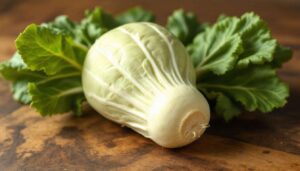

Fermented vegetables have quietly slipped from our modern plates, yet these traditional foods offer remarkable health advantages that science continues to validate. Rich in probiotics, low in calories, and packed with essential nutrients, fermented vegetables like sauerkraut, kimchi, and pickled cucumbers deserve a prominent place in contemporary diets. As consumers increasingly seek natural solutions for digestive wellness and weight management, these time-honored foods provide an accessible answer that combines culinary heritage with measurable health outcomes.
Origins and culinary traditions
Fermentation represents one of humanity’s oldest food preservation techniques, with archaeological evidence suggesting its practice dates back thousands of years across diverse civilizations. Ancient cultures discovered that allowing vegetables to ferment in salt brine extended their shelf life while creating distinctive flavors that became culinary hallmarks of their regions.
Regional fermentation practices
Different cultures developed unique approaches to vegetable fermentation based on local ingredients and climate conditions. Korean kimchi emerged as a spicy, complex preparation featuring napa cabbage, radishes, and a blend of seasonings including garlic, ginger, and chili peppers. Meanwhile, German sauerkraut took a simpler path, relying primarily on cabbage and salt to create its characteristic tangy flavor. Eastern European communities perfected pickled cucumbers, beets, and mixed vegetable combinations that sustained families through harsh winters.
The fermentation process itself varies by tradition, though the fundamental principle remains consistent: beneficial bacteria convert natural sugars into lactic acid, creating an acidic environment that preserves the vegetables while developing complex flavors and enhancing nutritional value.
Cultural significance in traditional diets
Fermented vegetables occupied essential roles in traditional food systems beyond mere preservation. They provided:
- Vital nutrients during seasons when fresh produce was unavailable
- Digestive support for heavy, protein-rich meals
- Flavor enhancement for simple staple foods
- Communal bonding opportunities during preparation rituals
These culinary traditions established fermented vegetables as dietary staples that supported health across generations, creating a foundation for understanding their modern nutritional relevance.
Nutritional benefits
The fermentation process transforms ordinary vegetables into nutritional powerhouses that deliver benefits far exceeding their raw counterparts. This biochemical transformation creates compounds and enhances nutrients that contribute significantly to overall health and wellness.
Enhanced vitamin content
Fermentation increases the bioavailability of vitamins, particularly B vitamins and vitamin K2. The bacterial cultures responsible for fermentation synthesize these vitamins during the process, effectively enriching the final product. Sauerkraut contains substantially higher levels of vitamin C than fresh cabbage, with some preparations retaining this vitamin for months when properly stored.
Probiotic richness
The most celebrated nutritional aspect of fermented vegetables lies in their probiotic content. These live beneficial bacteria colonize the digestive tract, supporting immune function and nutrient absorption. A single serving of traditionally fermented vegetables can contain billions of beneficial microorganisms representing multiple bacterial strains.
| Fermented Vegetable | Primary Probiotic Strains | Approximate CFU per Serving |
|---|---|---|
| Sauerkraut | Lactobacillus plantarum, L. brevis | 1-10 billion |
| Kimchi | Lactobacillus kimchii, Weissella species | 1-100 billion |
| Pickled cucumbers | Lactobacillus plantarum, Pediococcus | 500 million-5 billion |
These impressive probiotic populations establish fermented vegetables as cost-effective alternatives to commercial probiotic supplements, delivering living cultures alongside fiber and nutrients that support bacterial survival through the digestive tract.
Understanding these nutritional advantages naturally leads to examining how these foods specifically support digestive wellness.
Improvement of digestive health
The gut microbiome plays a crucial role in overall health, influencing everything from nutrient absorption to immune response and even mental well-being. Fermented vegetables provide targeted support for this complex ecosystem.
Microbiome diversity and balance
Regular consumption of fermented vegetables introduces beneficial bacterial strains that enhance microbiome diversity. Research indicates that greater microbial diversity correlates with improved digestive function and reduced inflammation. The lactic acid bacteria in fermented foods compete with potentially harmful microorganisms, helping maintain a balanced intestinal environment.
Digestive enzyme production
Fermented vegetables contain enzymes that assist in breaking down food components, reducing digestive burden and improving nutrient extraction. These enzymes work synergistically with the body’s natural digestive processes, particularly benefiting individuals with compromised digestive function.
Relief from common digestive complaints
Clinical observations and preliminary research suggest fermented vegetables may alleviate:
- Bloating and gas through improved food breakdown
- Irregular bowel movements via enhanced gut motility
- Inflammatory bowel symptoms through anti-inflammatory compounds
- Lactose intolerance effects when consumed alongside dairy
The fiber content in fermented vegetables provides additional digestive support, feeding beneficial bacteria while promoting regular elimination. This combination of probiotics, enzymes, and fiber creates a comprehensive approach to digestive wellness that addresses multiple aspects of gut health simultaneously.
Beyond their digestive benefits, these foods offer advantages for those monitoring caloric intake while seeking nutritional density.
Low-calorie, nutrient-rich
Fermented vegetables exemplify the concept of nutrient density, delivering substantial vitamins, minerals, and beneficial compounds while contributing minimal calories to daily intake. This characteristic makes them ideal for weight management strategies that prioritize satiety and nutrition over caloric restriction alone.
Caloric content comparison
Most fermented vegetables contain remarkably few calories per serving, allowing generous portions without significant caloric impact.
| Fermented Vegetable | Serving Size | Calories | Fiber (g) |
|---|---|---|---|
| Sauerkraut | 1 cup | 27 | 4 |
| Kimchi | 1 cup | 23 | 2.4 |
| Pickled cucumbers | 1 cup | 17 | 1.6 |
Satiety and metabolic benefits
The combination of fiber, water content, and complex flavors contributes to feelings of fullness that extend beyond what caloric content alone would suggest. The tangy, robust flavors of fermented vegetables enhance meal satisfaction, potentially reducing cravings for less nutritious options.
Emerging research suggests that gut bacteria influenced by probiotic consumption may affect metabolism and fat storage, though this area requires further investigation. What remains clear is that fermented vegetables provide substantial nutritional value while supporting caloric goals, making them valuable additions to health-conscious eating patterns.
With these benefits established, practical application through simple recipes makes these foods accessible to everyone.
Easy and delicious recipes
Incorporating fermented vegetables into meals requires minimal culinary expertise, with both homemade fermentation and creative serving suggestions offering straightforward approaches.
Basic sauerkraut preparation
Making sauerkraut at home requires only cabbage, salt, and time. Shred one medium cabbage, massage with two tablespoons of sea salt until liquid releases, pack tightly into a clean jar ensuring vegetables remain submerged beneath their liquid, cover loosely, and ferment at room temperature for five to fourteen days, tasting periodically until desired tanginess develops.
Simple kimchi variation
For a basic kimchi, combine chopped napa cabbage with salt and let stand for two hours. Rinse and drain, then mix with a paste made from:
- Grated ginger and garlic
- Korean chili flakes (gochugaru)
- Fish sauce or soy sauce
- Sliced green onions and carrots
Pack into jars and ferment similarly to sauerkraut, checking after three to five days.
Serving suggestions
Fermented vegetables enhance numerous dishes beyond traditional pairings. Add sauerkraut to grain bowls, sandwiches, or alongside roasted proteins. Mix kimchi into fried rice, scrambled eggs, or use as a topping for tacos. Incorporate pickled vegetables into salads, wraps, or serve as condiments alongside any meal requiring acidic brightness.
These simple preparations and serving ideas demonstrate that enjoying fermented vegetables requires neither extensive time nor advanced cooking skills, making daily consumption achievable for most households.
Tips to integrate into your daily diet
Establishing a consistent fermented vegetable practice involves strategic approaches that overcome common barriers while maximizing health benefits.
Starting gradually
Begin with small portions to allow your digestive system to adapt to increased probiotic and fiber intake. Start with one to two tablespoons daily, gradually increasing to a quarter or half cup as tolerance develops. This measured approach prevents potential digestive discomfort that sometimes accompanies sudden dietary changes.
Pairing strategies
Incorporate fermented vegetables alongside meals rather than consuming them in isolation. The fat and protein in complete meals help buffer the acidity while the probiotics assist in digesting the entire meal. Particularly effective pairings include:
- Sauerkraut with sausages or pork dishes
- Kimchi with rice and vegetable combinations
- Pickles alongside sandwiches or burgers
- Any fermented vegetable with eggs at breakfast
Storage and selection
Choose refrigerated fermented vegetables from the produce section rather than shelf-stable versions, as heat pasteurization destroys beneficial probiotics. When making fermented vegetables at home, store them in the refrigerator once desired fermentation is achieved, where they will continue to slowly develop flavor while remaining safe for consumption for several months.
Consistency over quantity
Regular small servings provide greater benefits than occasional large portions. Aim for daily consumption rather than sporadic inclusion, as consistent probiotic exposure better supports sustained microbiome health. Keep fermented vegetables visible in your refrigerator and prepare them in advance to reduce barriers to regular consumption.
Fermented vegetables represent an intersection of culinary tradition and modern nutritional science, offering accessible health benefits through foods that humans have valued for millennia. Their probiotic content supports digestive wellness while their low caloric density and nutrient richness align with contemporary health goals. Whether purchased or homemade, these flavorful foods deserve reconsideration as dietary staples rather than occasional condiments. By incorporating fermented vegetables into daily eating patterns through simple recipes and strategic meal planning, individuals can access profound health benefits while connecting with time-honored food traditions that sustained previous generations.